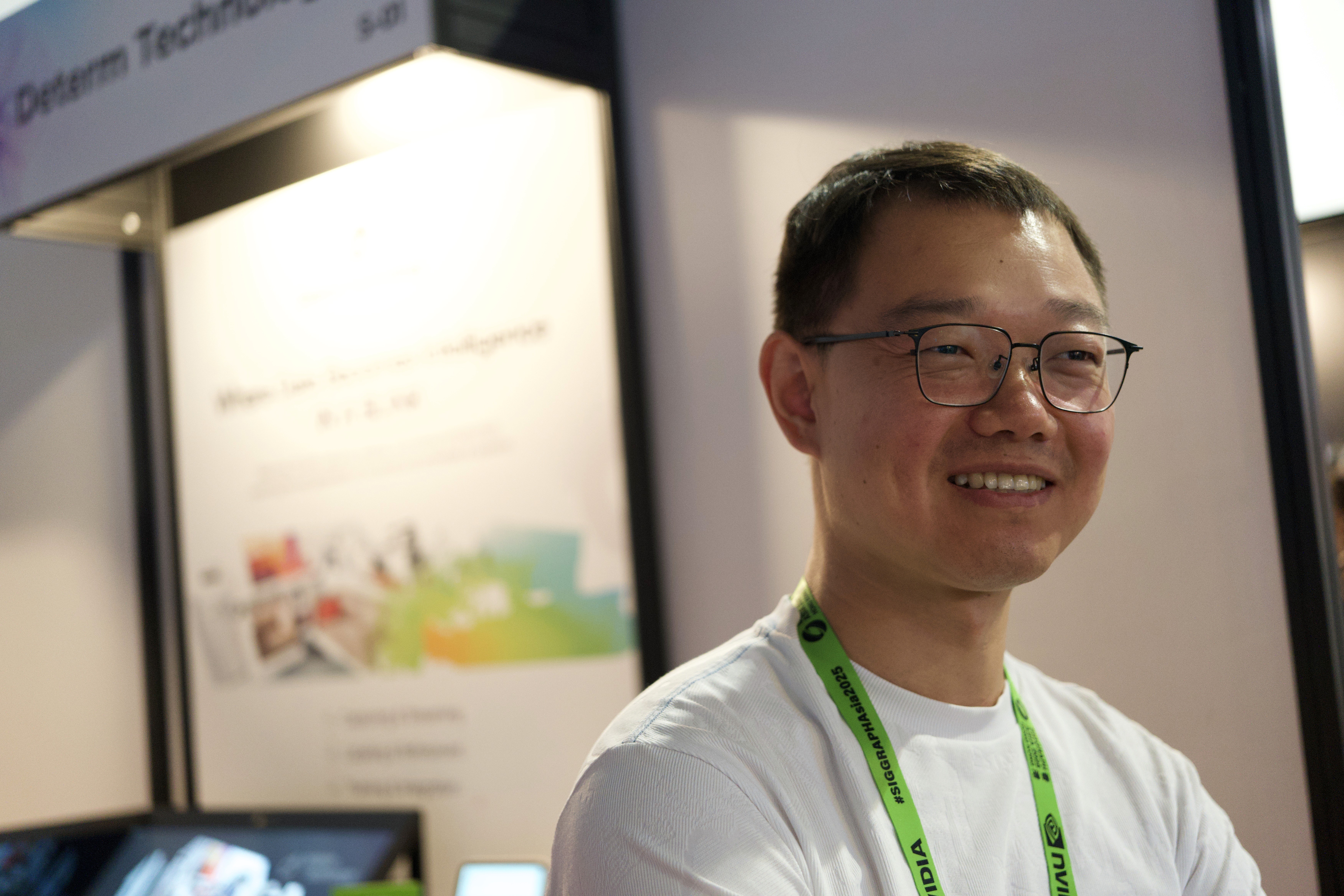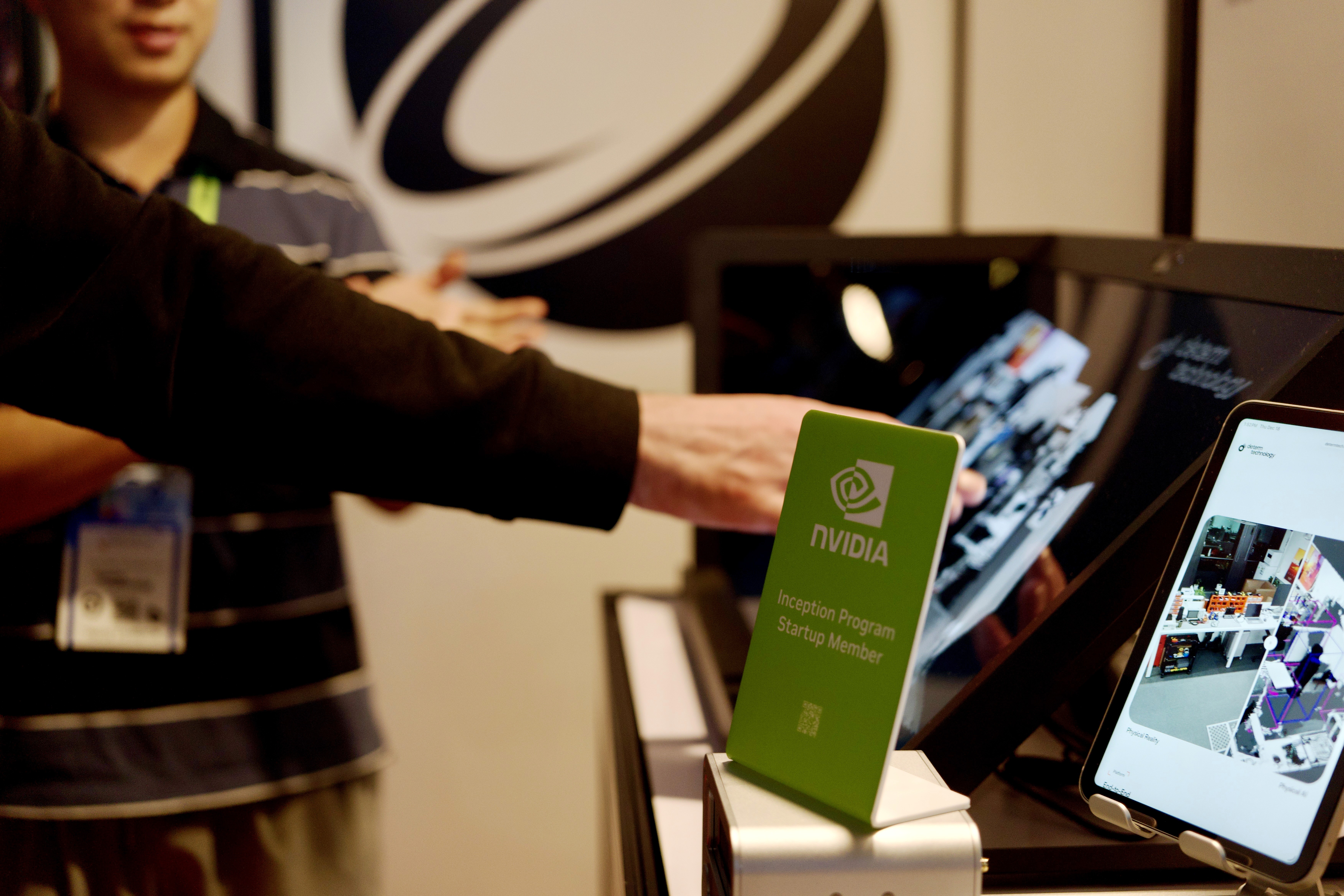
In late 2025, we participated in SIGGRAPH Asia 2025, held in Hong Kong, one of the most influential international conferences and exhibitions in computer graphics, interactive techniques, and emerging AI-driven technologies. The event brought together researchers, engineers, artists, and industry leaders from around the world to explore the future of graphics, simulation, and intelligent systems.
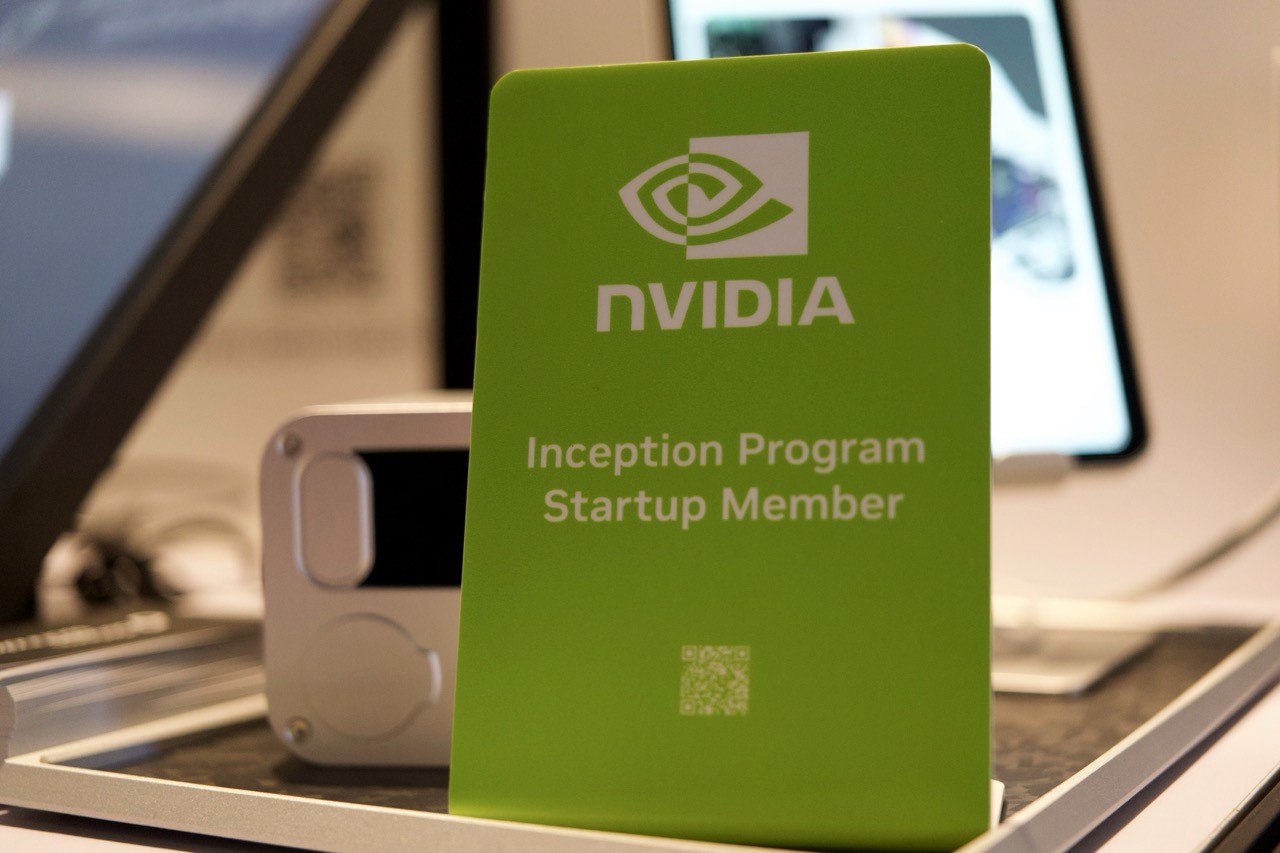
As an official NVIDIA inception member, we showcased our latest progress in large-scale, real-time 3D data infrastructure designed to accelerate the development of Physical AI and embodied intelligence systems.
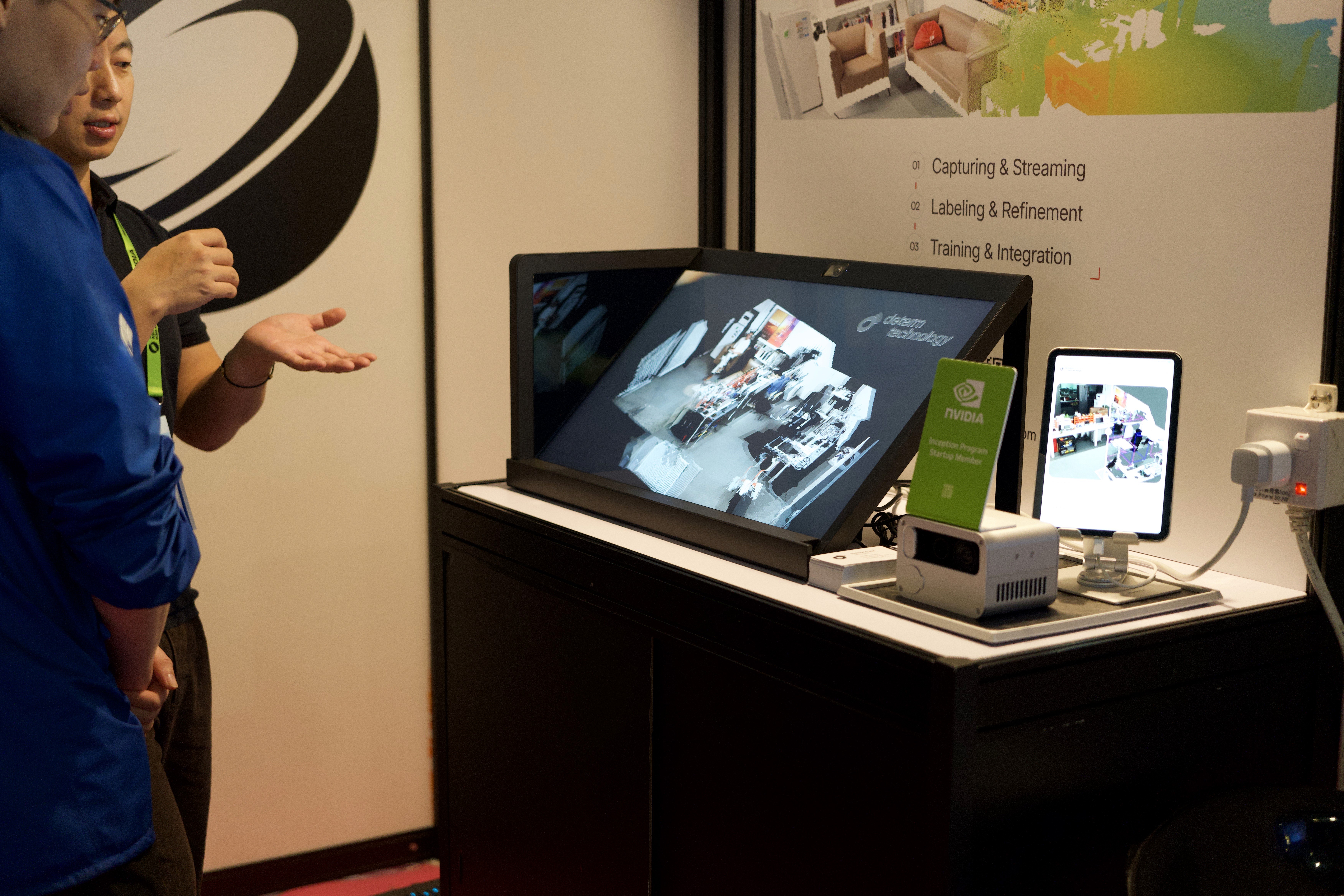
Showcasing an End-to-End Physical AI Platform
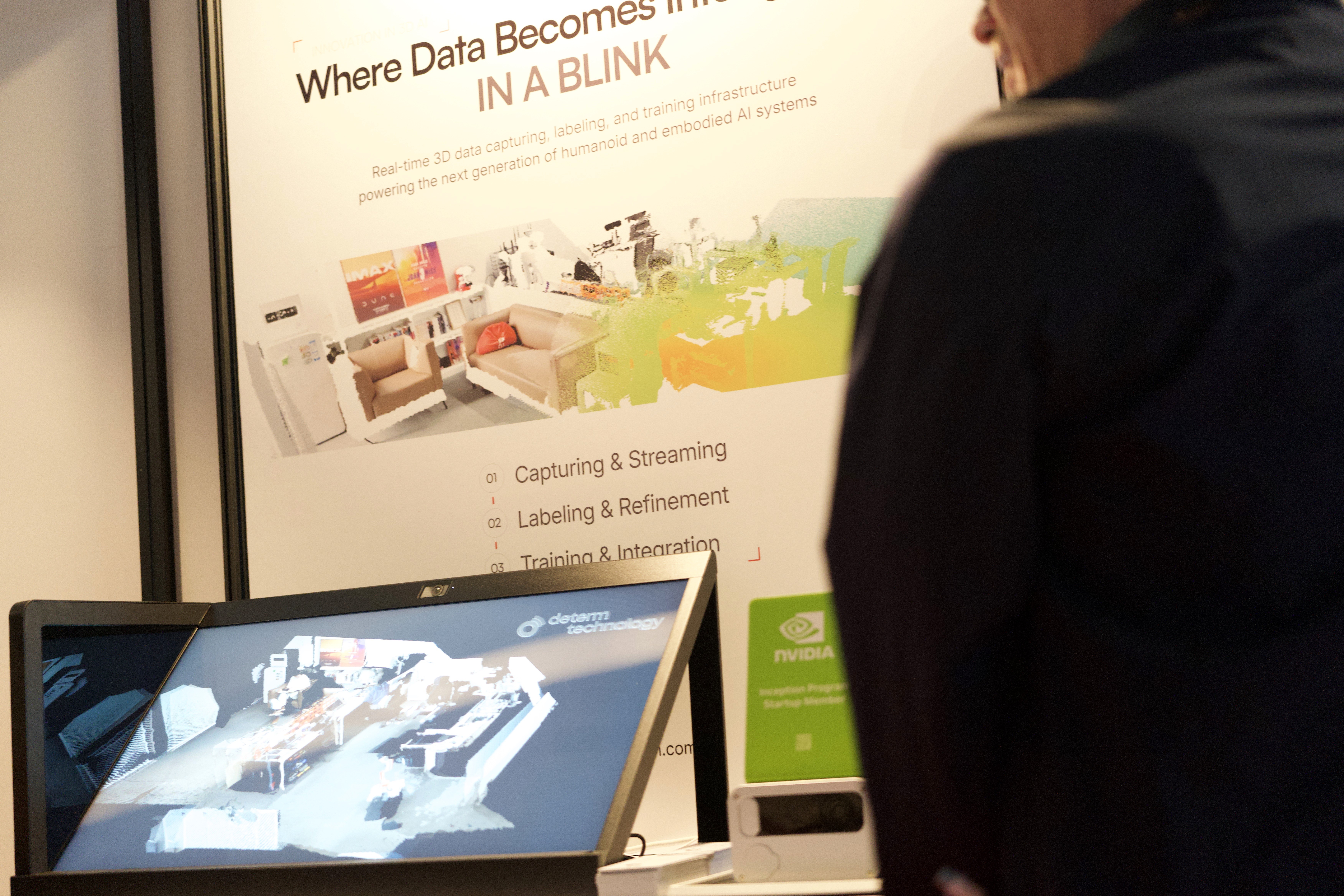
At our booth, we presented a complete hardware-and-software pipeline for real-time spatial data capture, transmission, visualization, and training. Live demonstrations highlighted how our platform enables:
Real-time 3D data capture using our spatial camera systems and edge devices
Low-latency streaming and rendering of dense 3D data across networks
Scalable labeling and training workflows tailored for Physical AI and digital twin applications
Rapid deployment pipelines, bridging perception, simulation, and real-world execution
Visitors were able to observe how raw spatial data can be transformed into actionable intelligence, supporting robotics, mixed reality, simulation, and next-generation human-machine interaction.
Engaging with a Global Community
SIGGRAPH Asia 2025 provided us with a valuable opportunity to engage directly with a highly technical and forward-looking audience. Throughout the exhibition, our team held in-depth discussions with:
Researchers exploring embodied and spatial AI
Developers building real-time graphics and XR systems
Industry partners interested in scalable 3D data infrastructure
Innovators working at the intersection of AI, simulation, and the physical world
These exchanges provided important feedback on real-world deployment challenges and reinforced our belief that robust, real-time 3D data platforms are becoming increasingly important beyond traditional 2D AI pipelines. The strong interest in Physical AI workflows, real-time 3D capture, and scalable infrastructure reaffirmed our view that the next wave of AI innovation will be grounded in the physical world.
We would like to thank everyone who visited our booth and shared their insights with us. Looking ahead, we will continue refining our platform, expanding ecosystem collaboration, and supporting developers and researchers building the next generation of Physical AI and embodied AI systems. Stay tuned to our official blog for future updates, technical deep dives, and upcoming events.